In today’s fast-paced and space-conscious world, flexibility in design is key—especially when it comes to recreational spaces. Whether it’s for a school, sports complex, or residential community, the rise of multi-purpose courts offers a practical solution for hosting multiple activities within a single area. From basketball and tennis to futsal and volleyball, these courts are built to handle it all—provided the right surface is chosen.
Multi-purpose court flooring plays a critical role in both performance and safety. Unlike single-sport courts that are optimized for one activity, a multi-use court requires a surface that accommodates the demands of various games. For example, basketball requires good bounce and grip, while tennis needs moderate slide and quick recovery. The right flooring must strike a balance between traction, durability, and shock absorption to ensure athlete safety and game integrity across all sports.
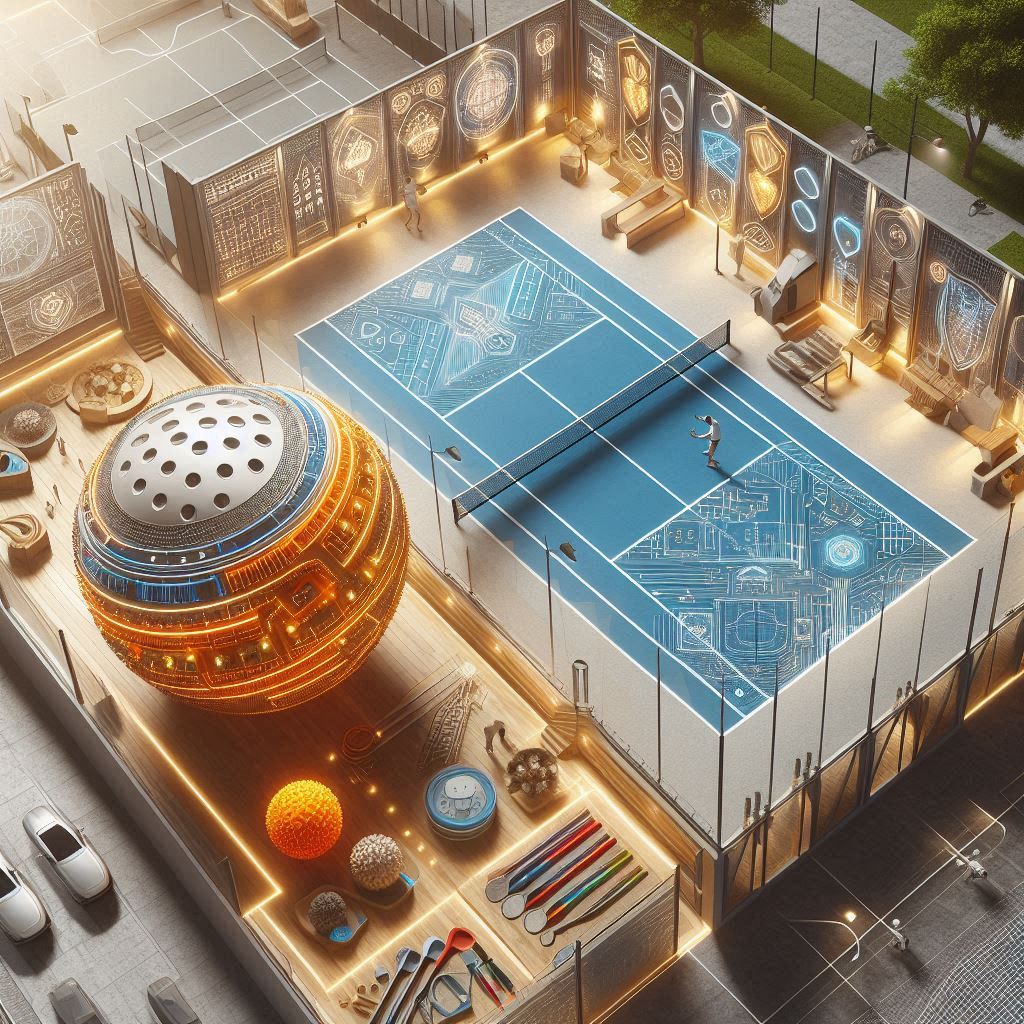
Popular flooring options include acrylic surfaces, modular tiles, polyurethane, and rubberized coatings. Each has its strengths depending on the type of usage and environmental conditions. Acrylic surfaces are ideal for outdoor use due to their UV resistance and water drainage capabilities. Modular tiles offer ease of installation and repair, while cushioned polyurethane surfaces are favored for their shock-absorbing properties, making them excellent for younger players or extended play durations.
Equally important is the selection of multi-purpose court materials used in construction. These include the sub-base materials, surface coatings, adhesives, and paint for sport-specific markings. The sub-base is usually made of concrete or asphalt, providing the essential stability and evenness needed for optimal play. Above this, resilient layers are applied to enhance performance, reduce joint strain, and improve longevity.
High-quality materials ensure that the court withstands intense play, weather variations, and frequent use without cracking or fading. They also play a role in noise reduction and maintaining surface consistency, which are crucial for multi-use facilities located in residential or school zones. Paint used for line markings must also be chosen carefully, as different sports require specific dimensions and colors.
Moreover, sustainability is becoming an increasing priority in modern court construction. Many manufacturers now offer eco-friendly materials that use recycled content and are free from harmful chemicals, without compromising performance. This shift not only supports green building initiatives but also promotes healthier play environments.
 pulsemarket