Childhood obesity is a growing concern that continues to affect millions of children worldwide. With an increase in unhealthy eating habits, reduced physical activity, and changes in lifestyle, children are becoming more vulnerable to health complications at a young age. Understanding the root causes is the first step toward prevention and treatment.
Many parents and caregivers often ask, What Causes Obesity in Children? The answer is not always simple, as obesity is influenced by a mix of factors. Poor dietary habits, such as consuming high-calorie, low-nutrient foods like fast food, sugary snacks, and sweetened beverages, are major contributors. When children consume more calories than they burn through daily activities and exercise, their bodies begin to store the excess as fat. Over time, this leads to weight gain and potentially obesity.
Lack of physical activity is another major factor. Many children spend hours in front of screens—whether it’s watching TV, playing video games, or using mobile devices. This sedentary behavior replaces physical activities that help burn calories and build muscle. Environmental factors also play a role; children living in neighborhoods with limited access to parks or safe outdoor spaces may have fewer opportunities to be active.
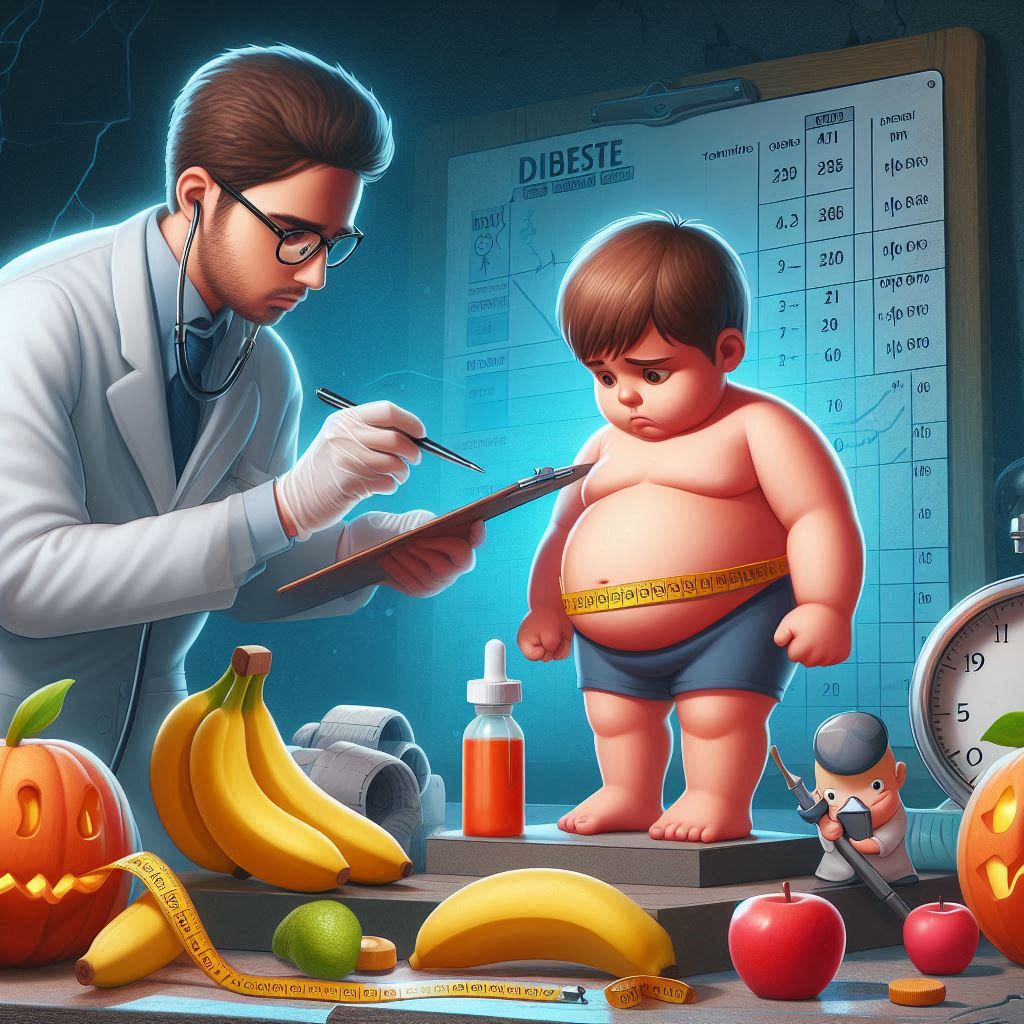
Genetics and family lifestyle can further influence a child’s risk. Children with overweight or obese parents are more likely to follow similar patterns due to shared habits and environment. Emotional stress, lack of sleep, and hormonal imbalances may also contribute to unhealthy weight gain.
To properly assess a child’s weight and determine whether action is needed, healthcare providers often use BMI for Kids . BMI, or Body Mass Index, is a calculation based on a child’s weight and height, but it’s adjusted for age and gender to account for different growth rates. The result is then plotted on a percentile chart to see how a child compares with others in the same age group.
Children with a BMI in the 85th to 94th percentile are considered overweight, while those in the 95th percentile or higher are categorized as obese. Though it’s not a perfect measure of body fat, BMI is a reliable screening tool that helps identify children at risk for health problems.
Early intervention is key. Promoting healthier food choices, encouraging regular exercise, limiting screen time, and creating a supportive environment can all make a difference. By understanding the causes and monitoring a child’s growth using tools like BMI, families and healthcare professionals can work together to build a foundation for lifelong wellness.
 pulsemarket